ObjID325-1

ObjID325-1
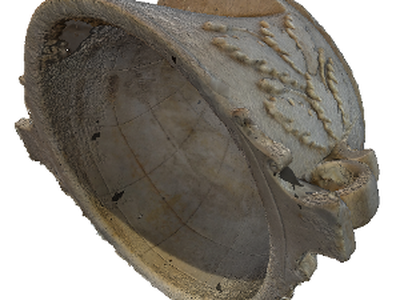
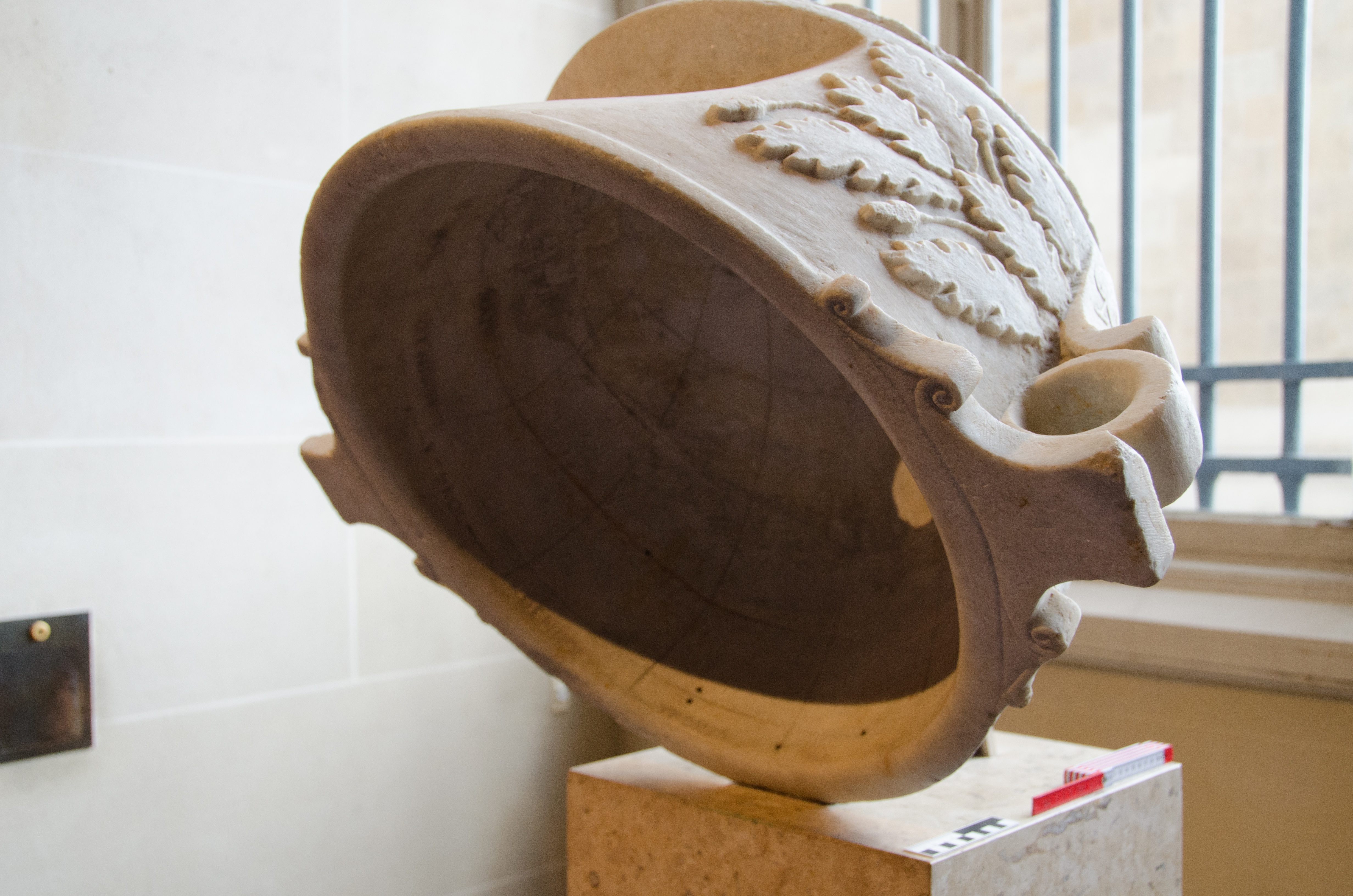
This sundial dates from the Imperial Era and is an exceptional example of a scaphe, or bowl sundial, with a hole to let through a ray of sunlight. The interior is engraved with lines and inscriptions in Greek; the spot lit by the sunbeam would give the month, day, and hour. This sundial is in the shape of a skyphos or drinking vessel, a fashionable shape for luxury Roman tableware at the end of the republic. The exterior is decorated with oak twigs and acorns. The vessel has a handle on each side. The exterior of the marble bowl is decorated with concentric moldings, and, as with similar vessels made of metal, the sides are decorated with a carved foliage motif, in this case oak twigs with acorns. On one side of the vessel are a round hole and a thick tenon, which would originally have been part of a mortise and tenon joint attaching the sundial to its pedestal. The sundial was positioned vertically with the hole uppermost and the concave bowl facing the observer. The interior of the bowl is engraved with a network of curving lines accompanied by Greek inscriptions, some abbreviated, giving the dates of the Roman calendar. The broadest division corresponds to the summer solstice, 24 June, and the narrowest the winter solstice, 25 December. The fan of eleven lines dividing the curving sections marks the length of the twelve daytime hours of the Roman day, which were longer in summer and shorter in winter. The hole in the vessel let through a ray of sunlight that marked the month, day, and hour, moving round the bowl as the position of the sun changed. The opening would originally have been partly closed off with a bronze plaque, restricting the opening and thus focusing the beam more precisely, but this has been lost. The sundial was made for use at a latitude of 41. If it was found in Carthage, which is at a lower latitude, it must have been transported there after manufacture.
Measurement record: pipeline ObjID 325, matched to this dialface by inventory number.
This object is registered in the measurement database, but its own record holds no measured values.