ObjID170-1

ObjID170-1
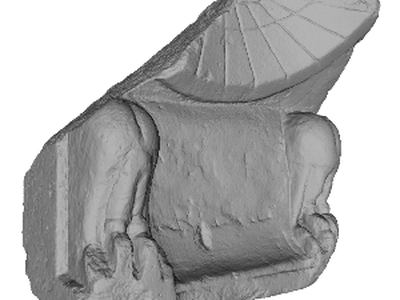
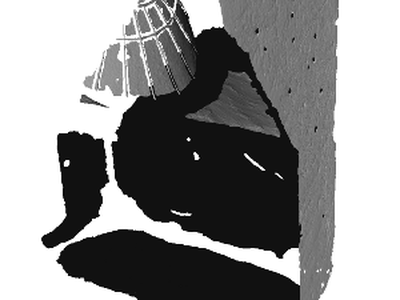
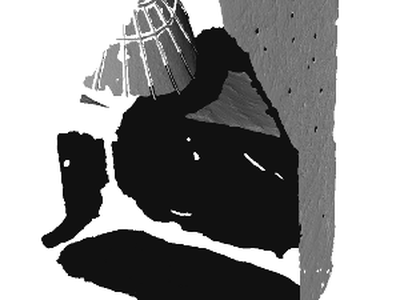
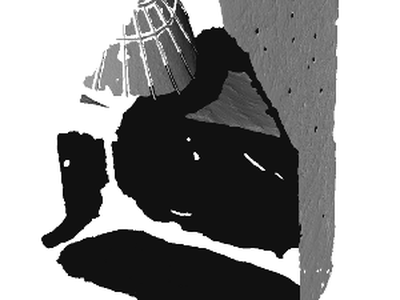
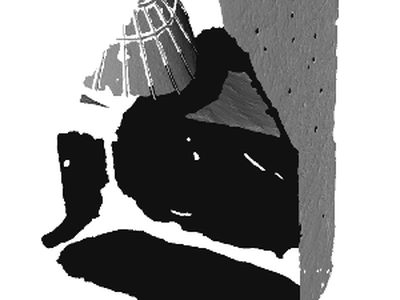
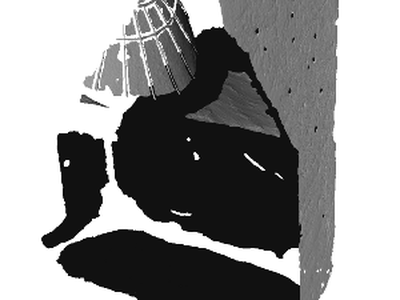
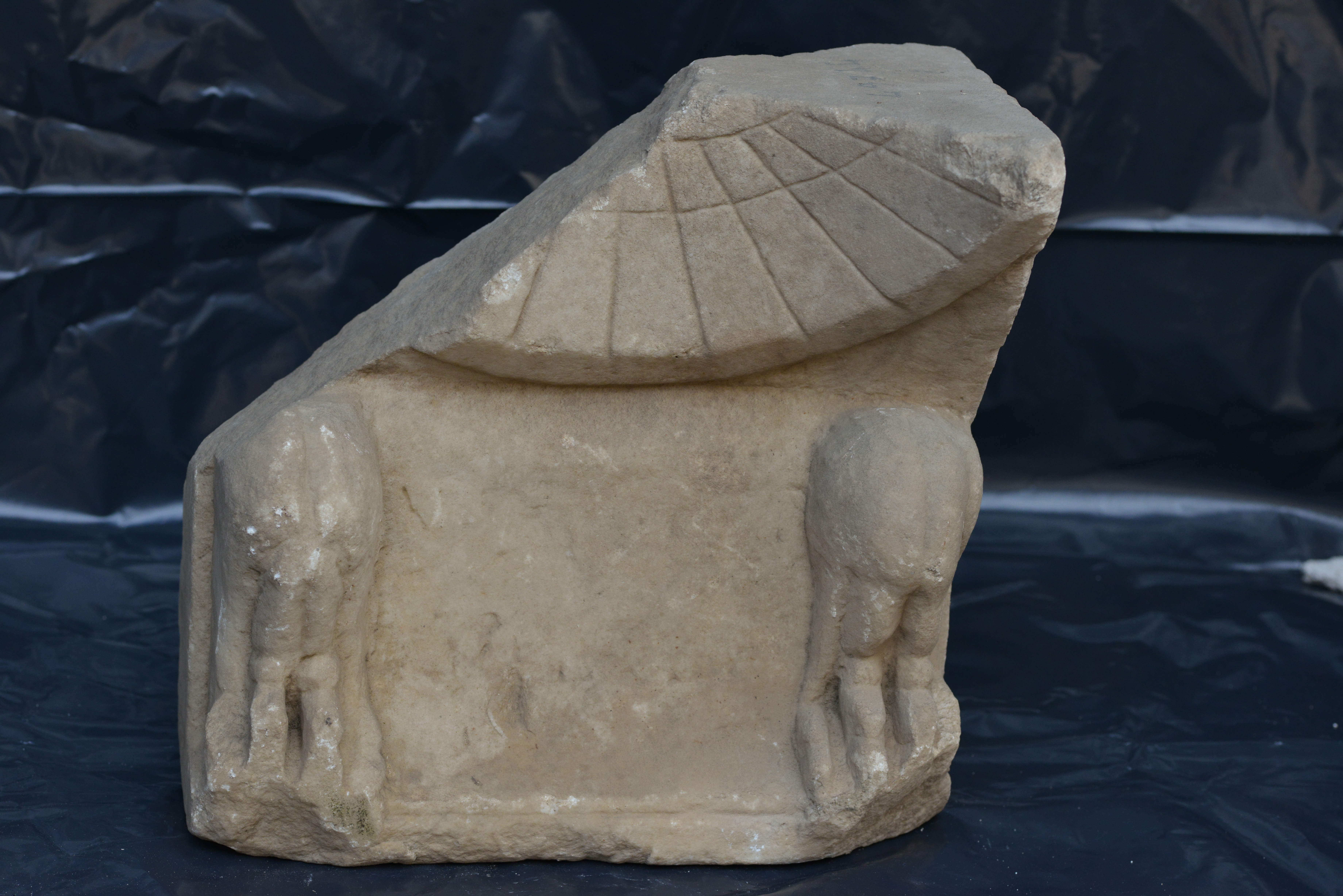
The left half of the dial, including any trace of gnomon hole is broken away. Parts of seven hour lines (5, 6, 7, 8, 9, 10, 11) are preserved. Two engraved day curves are visible parallel to the lower edge. Two lion legs and feet flank a base that shows traces of an obliterated inscription.
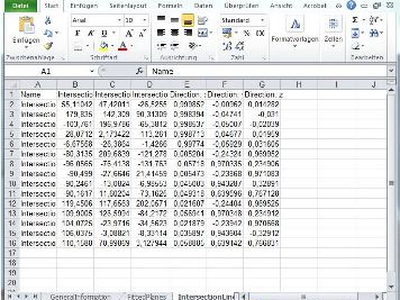
Measurement record: pipeline ObjID 170, matched to this dialface by inventory number.
| Quality grade | B (completeness 77 %) |
|---|---|
| Dial surface | cone (decisive) · fit residual mm: cone 0.37, cylinder 0.87, sphere 1.89 |
| Latitude φ | 56.18 ± 4.27° (consensus of witnesses) |
| Klima | Borysthenes (VII), Mid-Pontus (VI) |
| Engraved lines | 7 hour lines, 2 day lines |
| Cone half-angle α | 43.6° (cone residual on all points 0.4 mm) |
| Measured | 2026-06-12 20:29 |
| Winter solstice | Equinox | Summer solstice | |
|---|---|---|---|
| Noon altitude of the Sun | 10.1° | 33.8° | 57.5° |
| Noon shadow (gnomon heights) | 5.61 | 1.49 | 0.64 |
| Length of the day | 6.5 h | 12.0 h | 17.5 h |
| Length of a seasonal hour | 33 min | 60 min | 87 min |
Computed for the measured latitude with the obliquity of the JPL ephemeris at 101 BC (year -100). The latitude is the one the dial was made for, not a find-spot coordinate.