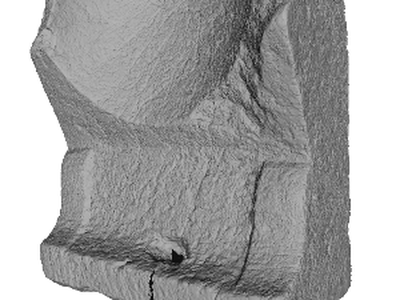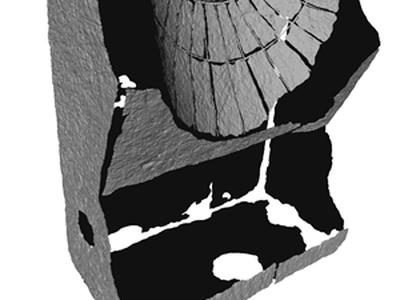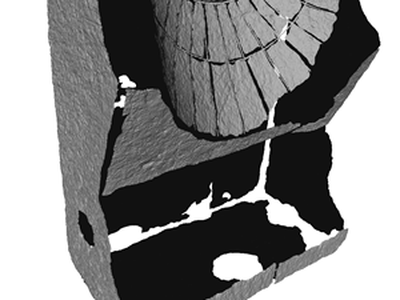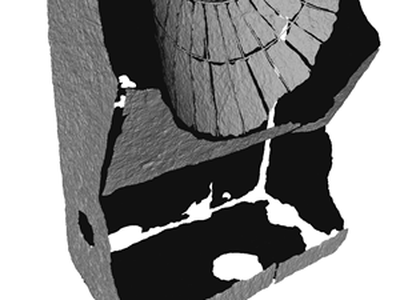
ObjID167-1

ObjID167-1
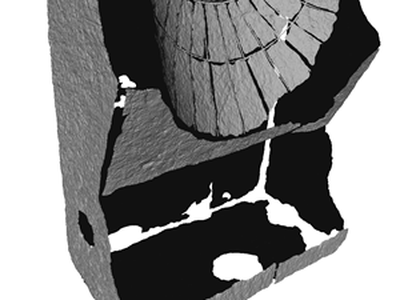
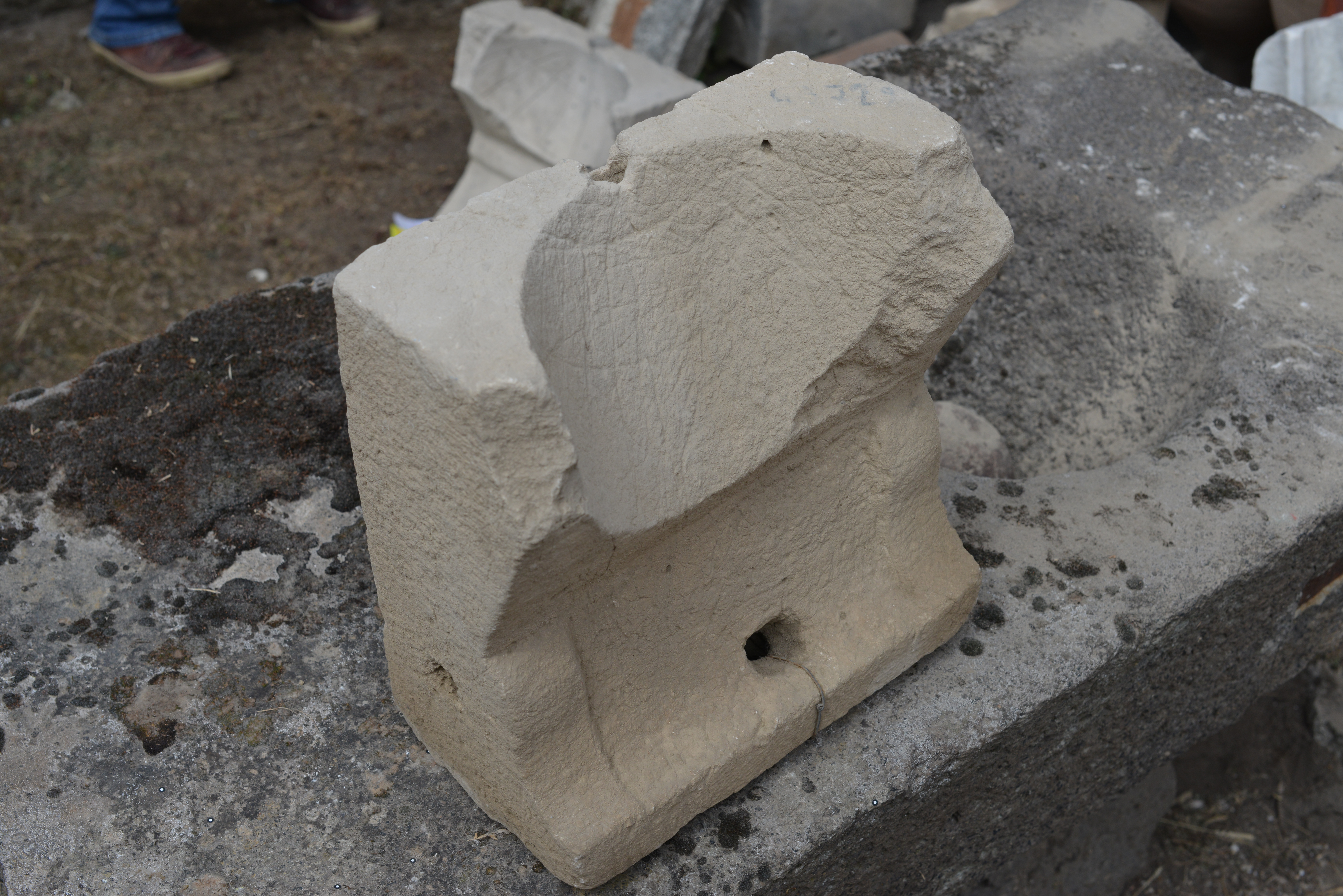
A 17 mm deep gnomon hole is preserved in the top surface of the dial. Traces of eleven hour lines are limited by the winter solstice and the lower edge of the shadow-receiving surface. An engraved equinox line is also preserved. Two narrow legs with cyma curved profiles flank the base. The round mount hole in the bottom surface has worn through to the top of the base at the right of center.
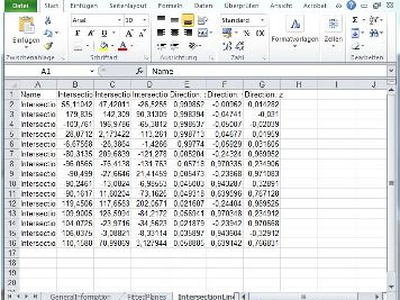
Measurement record: pipeline ObjID 167, matched to this dialface by inventory number.
| Quality grade | B (completeness 82 %) |
|---|---|
| Dial surface | cone (preferred, not decisive) · fit residual mm: cone 0.83, cylinder 0.86, sphere 4.30 |
| Latitude φ | 15.48 ± 0.95° (consensus of witnesses) |
| Klima | Meroe (I) |
| Engraved lines | 11 hour lines, 2 day lines |
| Cone half-angle α | not shown: the derived cone does not agree with the measured points (residual 13.8 mm; verified cones give under 1 mm); under review |
| Measured | 2026-06-12 20:27 |
| Winter solstice | Equinox | Summer solstice | |
|---|---|---|---|
| Noon altitude of the Sun | 50.8° | 74.5° | 81.8° |
| Noon shadow (gnomon heights) | 0.81 | 0.28 | 0.14 |
| Length of the day | 11.1 h | 12.0 h | 12.9 h |
| Length of a seasonal hour | 55 min | 60 min | 65 min |
Computed for the measured latitude with the obliquity of the JPL ephemeris at 101 BC (year -100). The latitude is the one the dial was made for, not a find-spot coordinate.