ObjID133-1

ObjID133-1
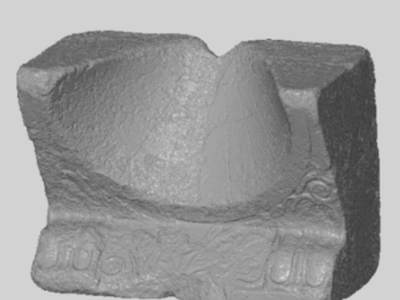
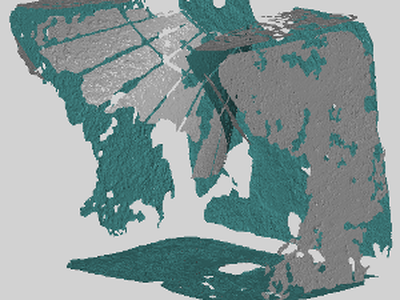
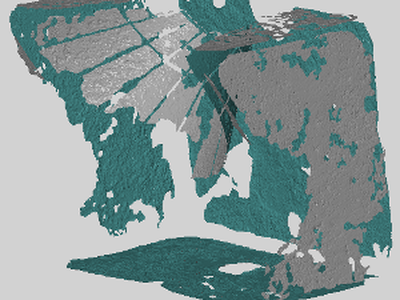
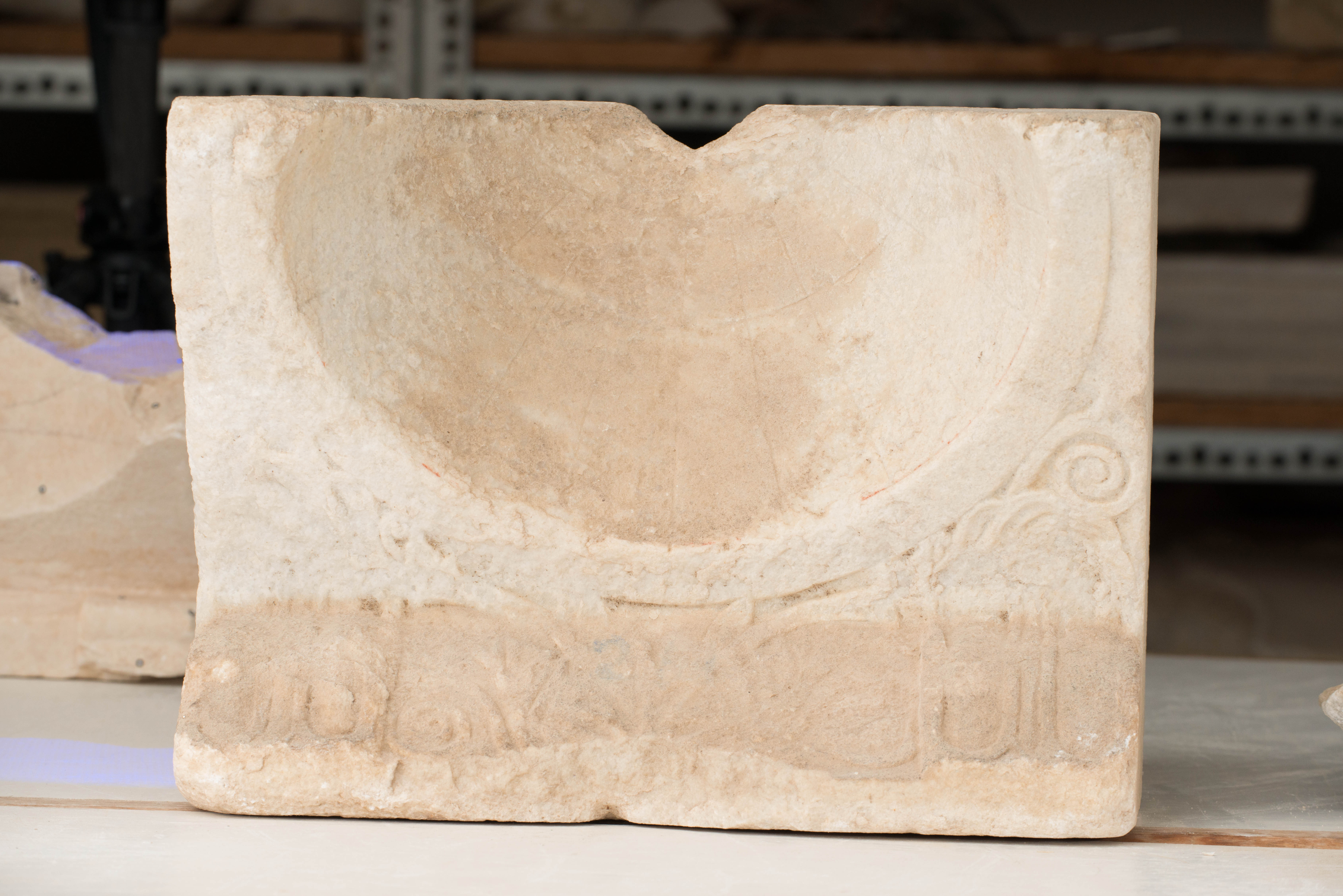
The limbus is decorated with a lip following the curve of the dial face, only slightly elevated from the frontUP. Two legs with a bi-partite egg and dart frieze flank the lower parts of the front. A series of stalks, tendrils and leaves sprouts from the centre, continuing onto the front UP, where they curl up in a volute. The left part of this relief is very worn and hardly visible. The sides remain plain. A square mounting hole has been drilled into the bottom plane. Gibbs: Worn rectangular gnomon hole is visible on the top surface of the dial.
Measurement record: pipeline ObjID 133, matched to this dialface by inventory number.
This object is registered in the measurement database, but its own record holds no measured values; see the variants below.
| Quality grade | A (completeness 88 %) |
|---|---|
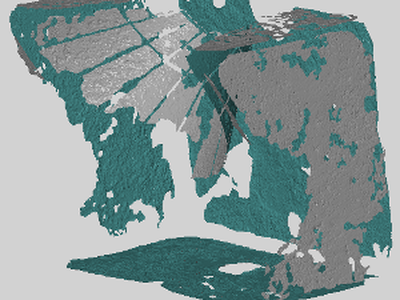
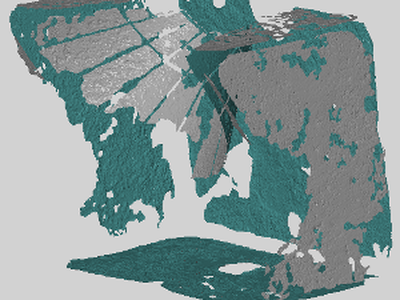
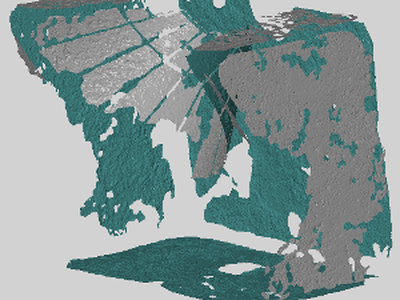
| Dial surface | cone (decisive) · fit residual mm: cone 0.39, cylinder 6.00, sphere 7.11 |
| Latitude φ | 28.77 ± 0.65° (consensus of witnesses) |
| Klima | nearest Alexandria (3.4 sigma) |
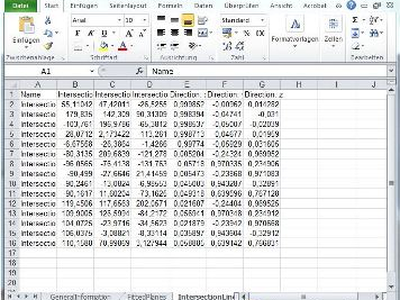
| Engraved lines | 11 hour lines, 3 day lines |
| Cone half-angle α | 30.3 ± 0.04° (cone residual on all points 0.39 mm) |
| Measured | 2026-06-12 20:19 |
| Winter solstice | Equinox | Summer solstice | |
|---|---|---|---|
| Noon altitude of the Sun | 37.5° | 61.2° | 84.9° |
| Noon shadow (gnomon heights) | 1.30 | 0.55 | 0.09 |
| Length of the day | 10.1 h | 12.0 h | 13.9 h |
| Length of a seasonal hour | 51 min | 60 min | 69 min |
Computed for the measured latitude with the obliquity of the JPL ephemeris at 101 BC (year -100). The latitude is the one the dial was made for, not a find-spot coordinate.